
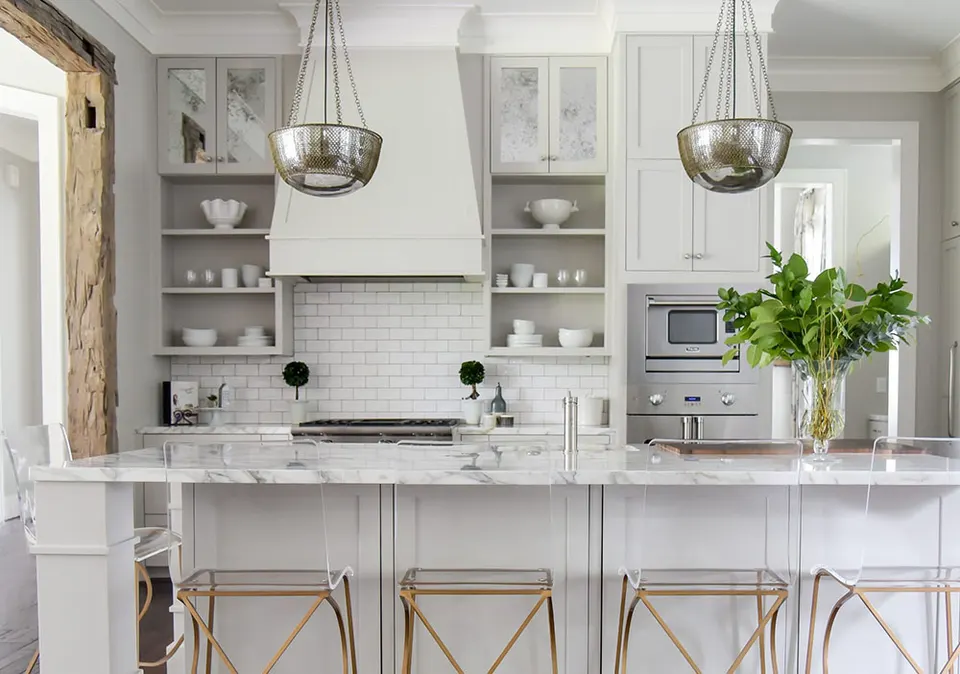
A successful kitchen remodel begins before the old cabinets come out. In an older Los Angeles home, the choices behind the walls—electrical capacity, plumbing routes, ventilation, and structural changes—can matter as much as the finishes you see. If you are planning a renovation in Tarzana, Encino, or Woodland Hills this fall, use this checklist to turn inspiration into a clear scope before demolition.
Decide what the kitchen needs to do
Start with daily routines. Do two people cook at once? Is the kitchen also a homework space? Does a narrow aisle become crowded when the dishwasher is open? Write down the problems you want to solve before collecting cabinet colors. A larger island is not an improvement if it blocks circulation, and moving the sink may add expense without making everyday work easier.
- List your must-haves separately from optional upgrades.
- Map appliance doors, circulation routes, preparation space, and everyday storage.
- Decide whether the existing footprint can work before proposing wall removal.
- Bring appliance dimensions, not just product photos, into the layout discussion.
- Consider accessible storage and seating for the people who will actually use the room.
Know what is cosmetic and what changes the building
Painting existing cabinets is a different scope from relocating plumbing, adding circuits, changing ventilation, or removing a wall. Do not assume an open-plan layout is possible until the wall and affected systems have been evaluated. Older homes can also require assessment for hazardous materials before disturbing existing finishes; discuss appropriate inspection and handling with qualified professionals.
For City of Los Angeles properties, consult the Department of Building and Safety about the required permits and review path for your specific work. Electrical, plumbing, mechanical, and structural changes may involve different approvals. A property in another city or unincorporated county territory follows that jurisdiction's process. The contractor's proposal should identify who prepares plans, obtains approvals, and coordinates inspections.
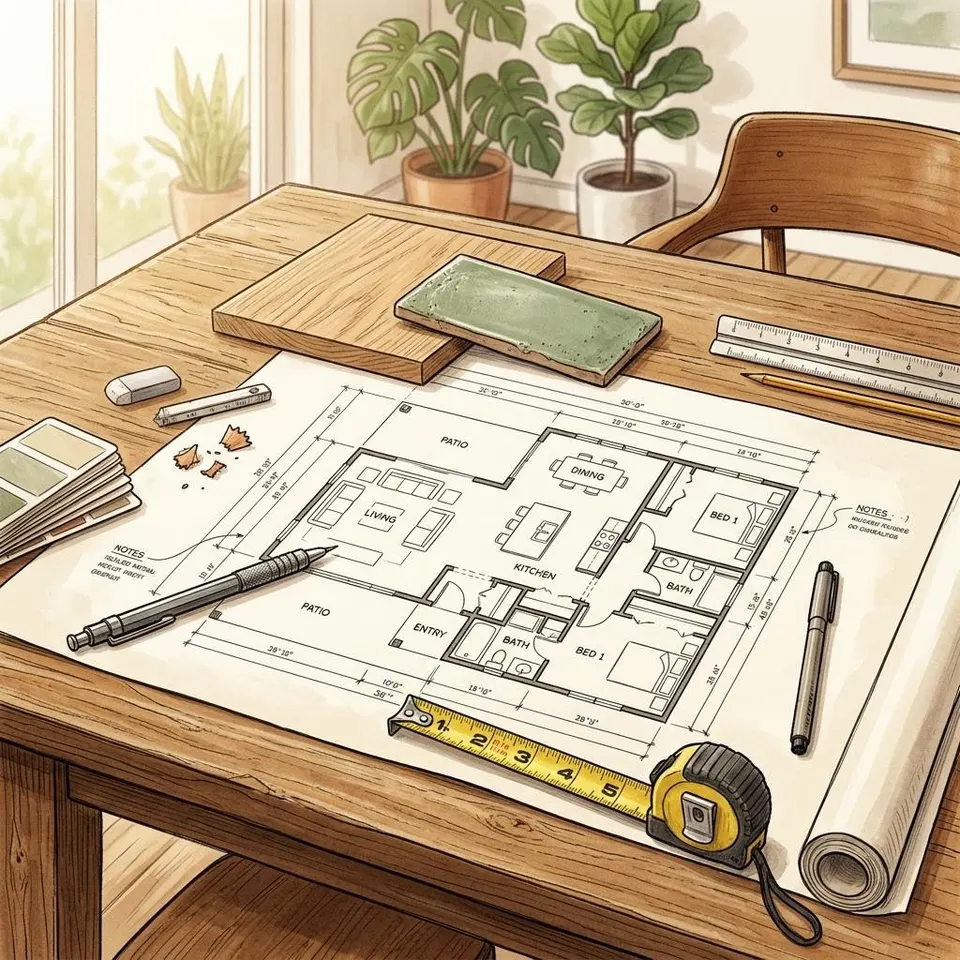
Build the budget around a written scope
Online cost guides are useful for identifying categories, but they cannot price your existing conditions. Ask for an estimate that distinguishes demolition and protection, cabinets, counters, appliances, plumbing, electrical, ventilation, flooring, permits, and finish work. Check whether fixtures are specified products or allowances, and whether delivery, installation, disposal, and taxes are included.
Keep a separate contingency for discoveries after opening walls. The amount should reflect the age of the home, scope, and how much has already been investigated—not an arbitrary promise that surprises will never occur. Agree in writing on how additional work is priced and approved before it happens.
Choose sustainable features that fit the house
An environmentally thoughtful remodel does not require replacing everything. Preserve usable components when they suit the new design, choose durable finishes that can be maintained, and discuss donation or reuse where practical. Ask about low-emitting paints and adhesives and compare appliance energy information. Verify product claims and current incentive eligibility rather than assuming every 'green' product receives a rebate.
If you want induction cooking or another electrical upgrade, review circuit and service capacity before ordering equipment. Plan ventilation with the proposed cooking setup and applicable requirements in mind. Good moisture control, practical cleaning, and lasting materials are everyday sustainability choices—not just marketing labels.
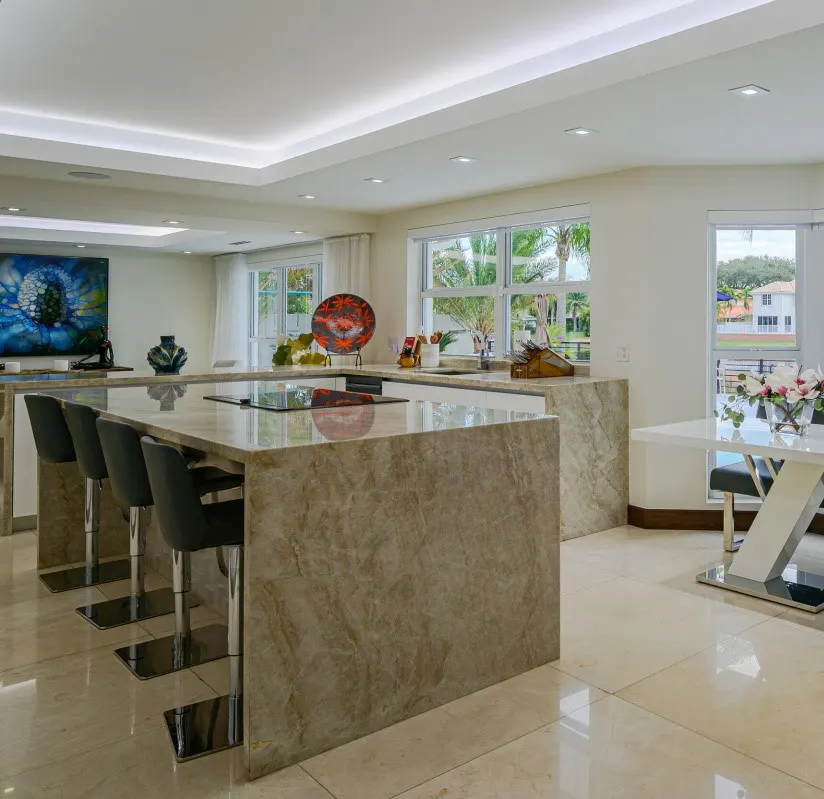
Sequence purchases before demolition
- 1Confirm the layout, appliance specifications, and any structural work.
- 2Resolve permits and required design documents before starting affected construction.
- 3Approve cabinet drawings, materials, hardware, and fixture selections.
- 4Verify lead times and delivery arrangements for critical items.
- 5Plan demolition, rough work, inspections, cabinet installation, countertop templating, and final connections.
- 6Agree on a punch list, final inspections where required, and closeout documents.
Some steps cannot be compressed: countertop templating often depends on installed cabinetry, and concealed work may need inspection before it is covered. A useful schedule shows those dependencies and explains what happens if an item is delayed. Avoid committing to a holiday-ready kitchen until approvals, material availability, and the construction sequence have been confirmed.
Create a temporary kitchen and protect occupied rooms
Set aside a safe area for basic food preparation, plan washing and refrigeration, and discuss any temporary appliance setup with the contractor. Do not overload improvised extension cords. Establish dust protection, work hours, pet access, and daily cleanup expectations. An occupied-home remodel is easier when the household knows which utilities may be interrupted and who communicates schedule changes.
Questions LA homeowners ask
- 1
Should I buy appliances before the layout is approved?
Select models and verify dimensions early, but coordinate purchases with the final layout, electrical requirements, delivery timing, and return policies.
- 2
Does every kitchen update need the same permit?
No. Requirements depend on the work and jurisdiction. Ask the responsible building department about your exact scope; do not assume a cosmetic update and a structural remodel follow the same path.
- 3
Is keeping the existing layout a good way to control scope?
It can avoid some relocation work, but existing systems may still need updates. Compare the functional benefit of each proposed move with its complete cost.
- 4
Can I stay in the home during construction?
Often it is possible, but it depends on access, safety, dust containment, utility interruptions, and household needs. Agree on an occupancy plan before work starts.
Planning resources
City of Los Angeles: plan review and permitting
View our kitchen-remodeling services
Browse the project gallery for kitchen ideas
For your first consultation, bring photos, basic dimensions, a list of problems to solve, and a realistic decision timeline. Green Home Remodeling serves homeowners across greater Los Angeles from Tarzana. This article is a planning guide, not a fixed-price quote or a determination of your property's permit requirements.